The Expertise Heavy Industry Can’t Afford to Lose
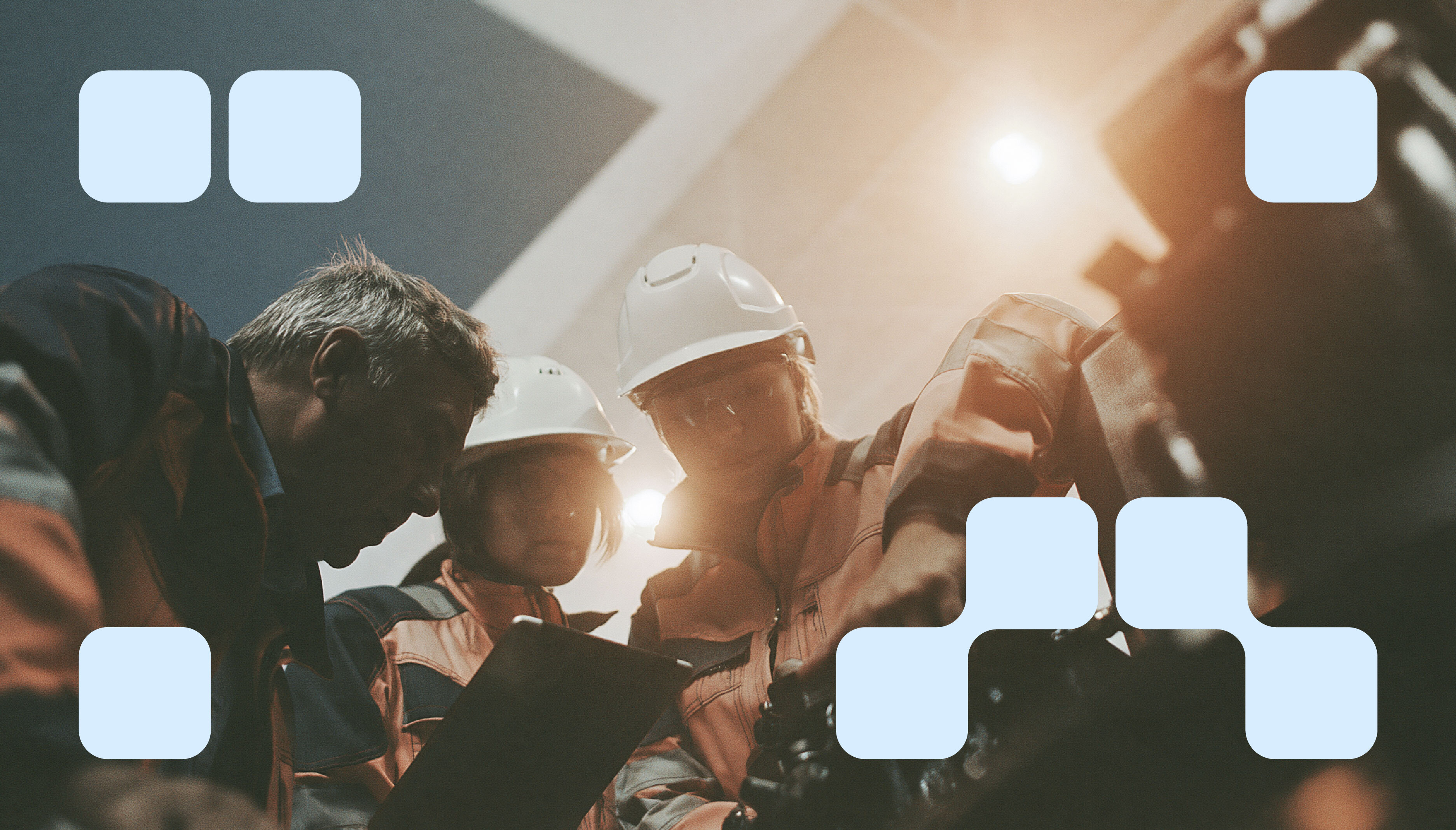
Across utilities, power generators, and oil and gas operators, the most critical operational knowledge comes from on-the-ground experience. But it isn’t always available through a centralized system.
An engineer’s judgment is built through years spent with a particular asset fleet, seeing how equipment behaves under different conditions, and understanding the effects of past repairs and operating decisions. That engineer can look at an asset’s reading and tell whether it points to an instrument issue, a familiar site condition, or a meaningful change in the asset itself.
Much of that judgment is held by a relatively small number of people who have spent years working with the same assets and operating conditions. So what happens when they leave?
Preparing for that transition means passing on the knowledge experienced engineers have developed over decades, so the engineers that follow can operate from a shared context and make decisions with confidence.
Shifts in the workforce are making engineering experience harder to retain — and harder for the next person to access when a decision needs to be made. In advanced economies, there are 2.4 energy workers nearing retirement for every worker under 25. Organizations are running out of time to time to transfer decades of fleet-specific knowledge to the next generation.
Junior engineers in the field also inherit complex decisions without the context to inform them. They may have the record of a past decision but lack the reasoning behind it, so they make the next call with less confidence than the previous owner did.
Even when two sites use similar equipment and generate similar-looking signals, the operating conditions and history behind those signals may differ. That information may be partly reflected in the records, but it can also remain with the people who have worked through comparable conditions before.
Accessing knowledge takes time alongside the day-to-day demands of operating and maintaining critical assets, and the stakes of determining the right next step are substantial. Internal Bolo data estimates that decisions around high-value assets can involve $3 million to $5 million in capital, and avoiding a failure can preserve $2 million to $10 million in value.
When teams have the context to act early and appropriately, a manageable issue may remain a targeted service call rather than develop into a costly failure or operational disruption.
When a single decision can involve millions of dollars, the engineer making it needs the context behind earlier calls, whether or not the people who made them are still around. For years, industrial companies have invested in systems to record what happened. AI can help take this further so you can apply accumulated engineering knowledge to the work happening today.
At Bolo, we're building this through an Industrial World Model: a continuously updated understanding of an industrial operation that connects its physical assets, operating history, engineering knowledge, and the relationships between them.
Here's what that makes possible.
1. Turn engineering knowledge into repeatable process
Experienced engineers develop rules of thumb, planning methods, and engineering practices over years of work. The challenge is making that expertise available and consistently applied across teams.
Bolo's Planning & Estimating capability puts this into practice. It uses drawings, specifications, and historical records alongside company-specific engineering rules, expressed in plain language, to generate work packages. The expertise becomes part of the workflow rather than depending on who happens to be doing the work.
2. Put asset history in context
A rising transformer temperature might indicate an emerging failure or a familiar operating condition. Knowing the difference requires understanding the asset's history, previous interventions, and current operating conditions.
Bolo's Industrial World Model connects this information across maintenance systems, historians, and engineering records. Engineers can understand what a reading means for that specific asset, without reconstructing its history from scratch.
3. Make past experiences useful for new decisions
An engineer investigating an equipment problem should be able to learn from similar situations across the fleet, including what was tried, what worked, and what didn't. Bolo's AI agents reason across historical events, asset relationships, and engineering knowledge to surface relevant precedents and potential causes. Each finding is backed by traceable sources, allowing engineers to verify the evidence and apply their own judgment.
Across heavy industry, experienced engineers will inevitably retire or move on to a new company. Capturing what they know helps today's teams and the next generation build judgment of their own.
Get in touch to explore how Bolo can make the context behind critical operational decisions more accessible across your organization.