The Warning Signs in Marietta Accumulated for Years — But the Systems Couldn’t Connect Them
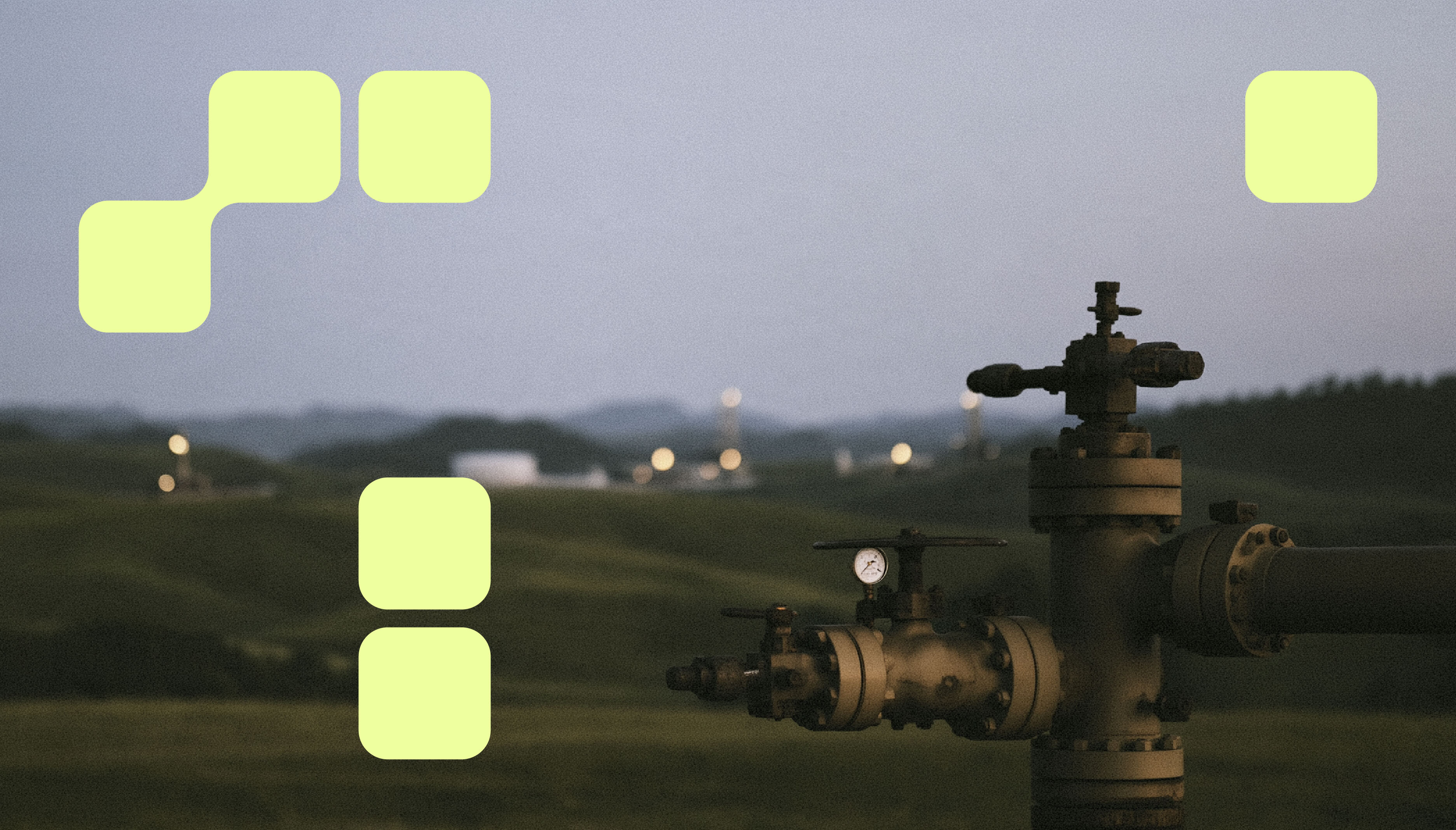
This summer, near Marietta, Ohio, wastewater pumped deep underground by the oil and gas industry bubbled back to the surface through nearby wells.
One well owner opened a valve and watched brine shoot out of a well that should have been producing oil and gas. According to the Ohio Capital Journal, over the past several years, roughly 50 of his 170 wells have stopped producing after filling with wastewater. At one of them, pressure has climbed about 1,800% since September 2023. In early July 2026, four disposal wells in Washington County stopped operating at the request of the Ohio Department of Natural Resources (ODNR), which suspected that injection was affecting nearby oil and gas wells.
The immediate concern is drinking water, as several injection wells are permitted within two miles of Marietta’s water sources. Tests of nearby water wells have not found brine, but local authorities fear that radioactive material in the wastewater would be extremely difficult to remove if it reached the aquifer.
Marietta is not a story about missing information. It’s a story about information that never came together.
Every warning sign was recorded by someone: an operator, well owner, regulator, geologist, or water authority. The pressure data and field observations existed, as did the permits, well records, and water tests. What didn’t exist was a single place where any of that data sat side by side.
The years between the first anomaly and the July shutdowns are what that gap ultimately cost.
An injection well is a deep, cased well used to pump fluid underground for permanent storage. In oil and gas, that fluid is produced water — the salty, often contaminated wastewater that comes up alongside oil and gas — and it’s pumped thousands of feet down into rock formations expected to contain it indefinitely. In the United States, these are regulated as Class II wells.
Oil and gas production brings that wastewater to the surface in large volumes. It can contain heavy metals, naturally occurring radioactive materials, benzene, and chemicals used during drilling. That makes containment essential. The formations chosen for injection are supposed to be sealed off from the aquifers that supply drinking water, and the entire practice rests on that seal holding.
Washington County, where Marietta is located, takes in more oil and gas wastewater than any other county in Ohio, and roughly half of it arrives from out of state. In total, Ohio has 227 active Class II injection wells.
Underground, the waste all moved through one connected system. Above ground, the evidence of it stayed scattered across a dozen disconnected ones.
The monitoring itself isn’t the problem. Ohio requires disposal well operators to track injection pressure and volume, and waste shipments generate records at every transfer. Meanwhile, well owners monitor the behavior of their producing wells, regulators collect permits, inspection reports, and operating data, and water authorities test drinking water on a set schedule.
Each of these groups sees a different part of the system with access to different information.
For example, the disposal well operator sees what’s happening at the injection site, while a nearby well owner sees pressure rising at a well several miles away. The regulator has years of reports from multiple companies, while a geologist understands which formations, faults, and fractures might connect them. Meanwhile, a water authority knows where the community’s drinking water comes from.
Their software is organized in much the same way: one company, one well, one permit, one report. But the subsurface isn’t organized that way.
Pressure and fluids move through rock regardless of who owns the well above it. They can find faults, natural fractures, poorly constructed wells, and old wells that may not appear in a modern database. Ohio has more than 20,000 documented orphan wells, and the state’s oil and gas division says there are likely thousands more that were never documented at all. Some may pass through aquifers, and nobody knows where all of them are.
None of this removes accountability from operators or regulators, but oil and gas operations are complicated. A system that depends on people manually connecting evidence across companies, agencies, databases, documents, and decades of field history will often recognize a problem later than it should.
Better visibility would connect the behavior of an injection well with what’s actually happening in the surrounding area.
Ideally, if pressure begins rising in a nearby well that shouldn’t be pressurized, the system should compare that change against injection volumes, operating periods, distance, geology, and similar changes at other wells.
If someone in the field reports unexpected brine, that observation should become structured evidence tied to a specific well, location, and date. It should then be evaluated alongside the operating data instead of remaining locked inside a phone call, email, or inspection note.
If pressure data stops arriving, the missing data should be visible. A gap in a safety-critical data feed shouldn’t look the same as normal operations.
If two records disagree about how a well was constructed or plugged, the conflict should be flagged and surfaced for review.
AI doesn’t need to determine the cause. The engineering and geological analysis must remain inspectable and grounded in hard evidence. But AI can assemble information across different systems, reconcile records, identify inconsistencies, and direct human attention toward the places where the evidence no longer fits together.
At Bolo, we’re building these AI capabilities with an independent oil and gas operator.
The application is different from commercial wastewater disposal. In this field, water is injected to help recover more oil, rather than to dispose of waste generated elsewhere. But the underlying operating challenge is roughly the same: the behavior of one well rarely makes sense in isolation.
We’re combining daily field reports captured through voice agents, operational well data, injection history, wellbore diagrams, and decades of workover records. The system helps identify which wells need attention and assembles the evidence behind that recommendation.
A field observation doesn’t have to stay trapped in a transcript, and a mechanical event can be connected with the production response that followed it. If one system shows an injection well operating normally while another shows missing or stale data, that disagreement becomes clearly visible.
The system doesn’t need to declare what happened. It needs to show an engineer the relevant evidence early enough to investigate.
Traditionally, assembling a full history can take hours or days, and only if someone already knows which wells to investigate. That history may include an unusual pressure change, a shift in injection behavior, a field report from the same period, and the current well configuration. It also includes what’s missing: gaps in the record that are easy to overlook precisely because nothing appears there.
AI won’t make an injection well safe on its own.
It can’t locate thousands of undocumented wells without supporting surveys and fieldwork, and it can’t replace mechanical integrity testing, groundwater sampling, geological analysis, regulation, or human judgment. As a result, it shouldn’t autonomously decide when critical infrastructure must shut down.
What AI can realistically do is shorten the time between the first abnormal signal and a serious investigation.
It can connect evidence that would otherwise remain isolated by ownership, software, and geography. And it can show operators and regulators where to look and preserve the source behind every observation.
Environmental incidents rarely begin on the day they become visible to the public. They develop through small changes, incomplete records, unusual readings, and field observations that don’t look conclusive on their own. That’s why the warning signs in Marietta accumulated for years.
If the same evidence can be connected earlier, operators and regulators have more time to inspect wells, test water, reduce injection, and determine what’s happening before the consequences become irreversible.
Heavy industry already documents almost everything. What it has lacked is software that turns that documentation into a shared understanding of how the whole system is behaving.
Building that visibility isn’t about replacing engineers or regulators. It’s about giving them a complete enough picture to act while action is still useful.
That’s what we’re building at Bolo. Not a system that decides what happened, but one that assembles the evidence, preserves the source behind every piece of it, and gets it in front of an engineer early.
Bolo is the AI operating system for heavy industry. Designed for the assets the world depends on, Bolo helps oil & gas, utilities, energy, heavy manufacturing, and other asset-heavy sectors run safer, more efficient operations. Bolo gives engineers and operators real-time visibility across their entire fleet, so they can automate analysis, make faster decisions, and avoid downtime. Learn more at bolo.ai